
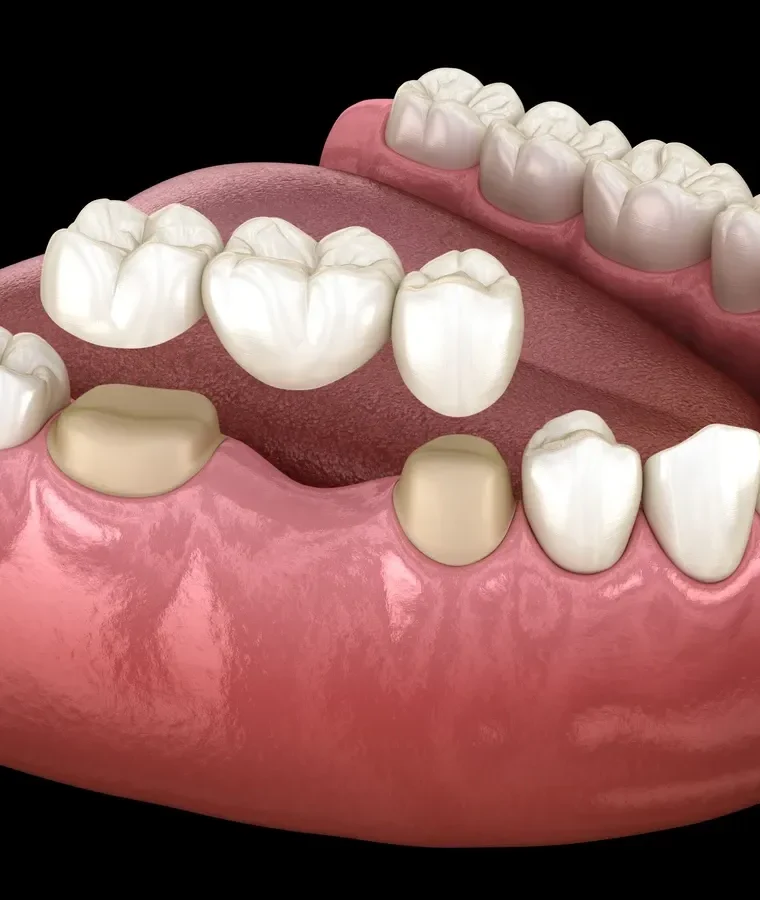
If you are considering crowns Bardon dentists provide, a well-made crown can often last around 7 to 10 years, and sometimes longer with good oral hygiene, a healthy bite and regular dental checks. The exact lifespan varies because crown material, the underlying tooth and your daily habits all affect how long it remains functional.
Image alt: Crowns Bardon dental crown consultation in Bardon
Dental crowns cover and protect teeth that are cracked, weakened, heavily filled or badly decayed. They may also be recommended after root canal treatment, especially for back teeth exposed to strong chewing forces.
How Long Do Crowns Bardon Patients Can Expect to Last?
For many adults, crowns Bardon patients receive can remain serviceable for years before replacement is needed. The Australian Dental Association notes that conventional crowns generally have an expected lifespan of about 7 to 10 years, while some last longer depending on the individual case.
Healthdirect also explains that a dental crown can last for many years with proper care.
What Affects the Lifespan of Crowns Bardon Dentists Place?
Several factors determine how long crowns Bardon treatments last.
Crown material
Crowns may be made from porcelain, zirconia, metal alloys or porcelain fused to metal. Your dentist will usually recommend a material based on tooth location, bite forces and appearance.
Condition of the tooth underneath
A crown still relies on the natural tooth for support. Decay around the crown edge, fractures or gum disease can shorten the useful life of crowns Bardon patients already have.
The crown material cannot develop tooth decay, but the natural tooth beneath and around it still can. This makes cleaning around the gumline and crown margin particularly important.
Bite and grinding
Teeth grinding, jaw clenching and a heavy bite can place repeated stress on a crown. If you grind your teeth while sleeping, your dentist may recommend a night guard to reduce pressure on crowns Bardon restorations and natural teeth.
How to Help Crowns Bardon Last Longer
Good daily care can reduce decay around the crown margin and gum inflammation. The Australian Dental Association recommends brushing twice each day with fluoride toothpaste and cleaning between your teeth every day.
To protect crowns Bardon patients should:
- Brush twice daily with fluoride toothpaste.
- Clean between teeth with floss or an interdental brush.
- Avoid biting hard objects such as ice or pens.
- Do not use your teeth to open packaging.
- Tell your dentist if you grind or clench your teeth.
- Attend routine dental reviews.
Healthdirect notes that the crown itself cannot decay, but the natural tooth underneath still can. Keeping the crown edge and surrounding gums clean is therefore essential.
Read Healthdirect’s dental crown information
Signs Your Crowns Bardon Treatment May Need Attention
Crowns do not always fail suddenly. Watch for:
- Pain when biting or chewing.
- New sensitivity to hot or cold.
- A crown that feels loose.
- A chipped or cracked surface.
- Gum swelling, bleeding or tenderness.
- Food repeatedly catching around the crown edge.
- A change in your bite.
Healthdirect lists possible crown complications including loosening, chipping, cracking, decay beneath the crown and discomfort from a poor fit. If these symptoms develop around crowns Bardon residents should arrange a dental review.
Does a Crown Last Forever?
No. Even well-maintained crowns Bardon restorations are not permanent for life. Dental materials experience years of chewing, temperature changes and daily wear.
The Australian Dental Association explains that teeth with crowns may still need treatment in the future. Crowns can chip, fracture or require replacement, while the tooth underneath can still develop decay.
Read the Australian Dental Association’s crown guidance
What Happens When an Older Crown Needs Replacing?
Your dentist will assess the crown, surrounding gum and tooth underneath. An X-ray may also be needed to check the root, bone or areas that cannot be seen directly.
If crowns Bardon patients have are worn or damaged, replacement is not always automatic. A dentist may monitor a minor issue, repair a small defect or recement a loose crown if the restoration and tooth are still suitable.
If there is decay underneath, the crown may need to be removed so the tooth can be cleaned and restored before a new crown is fitted. Your dentist can then assess how much healthy tooth structure remains and which treatment is appropriate.
When to Call a Professional
Arrange a dental appointment if crowns Bardon restorations feel loose, painful, cracked or different when you bite. You should also book a review if you notice swelling, persistent sensitivity or a visible problem near the crown margin.
Herman Advanced Dental can assess existing crowns, check the supporting tooth and explain whether monitoring, repair or replacement is suitable. Early assessment may prevent a small problem from becoming more difficult to treat.
Conclusion
Crowns Bardon dentists provide can often last around 7 to 10 years, but there is no fixed expiry date. Crown material, tooth health, bite pressure, oral hygiene and regular dental care all affect longevity.
If your crown is older, uncomfortable or showing wear, Herman Advanced Dental can examine it and advise you on the next step. Keeping crowns Bardon restorations clean and addressing problems early gives the tooth underneath a better chance of staying healthy.
FAQs
How often should a dental crown be checked?
Your dentist can assess a crown during routine dental examinations. Healthdirect recommends regular dental check-ups, with the appropriate timing depending on your individual oral health needs.
Can decay form underneath a crown?
Yes. The crown material cannot decay, but the natural tooth underneath can. Decay may develop around or beneath the crown, particularly when plaque builds up near the crown margin.
Can a loose crown be recemented?
Sometimes. If the crown and supporting tooth remain suitable, a dentist may be able to recement it. If decay, fracture or another problem is present, further treatment may be required.
Do zirconia and porcelain crowns last the same amount of time?
Both can provide long-term results, but lifespan depends on more than material alone. Tooth position, bite pressure, fit and oral hygiene all influence how long crowns Bardon treatments last.