
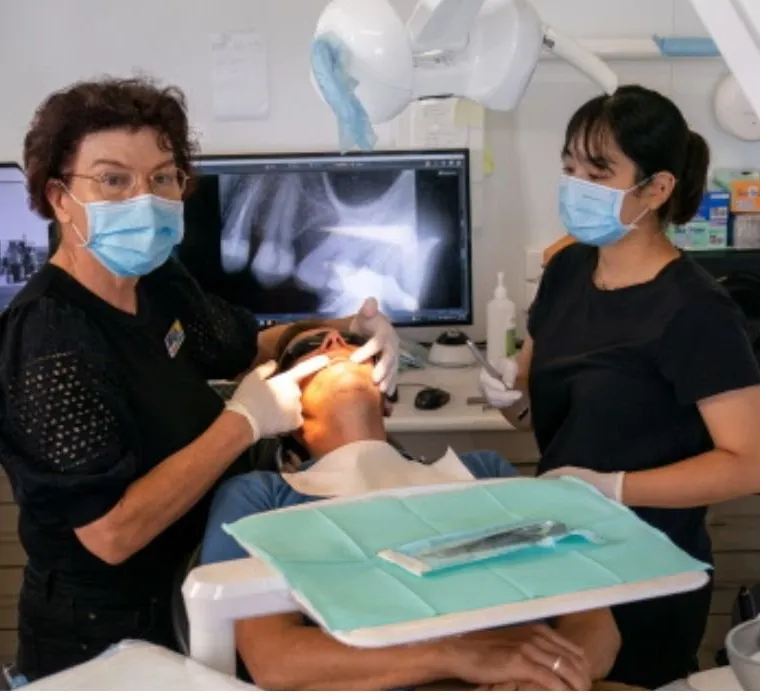
Tooth pain may need urgent dental care when it is severe, getting worse, affecting sleep, accompanied by swelling, or linked with fever, trauma or difficulty swallowing. An Emergency Dentist Paddington can assess the source of the pain and determine whether you need immediate treatment or whether a routine appointment is appropriate.
Not every toothache is an emergency, but dental pain should not be ignored when symptoms persist. Problems such as decay, cracks, infection and inflammation inside the tooth can become harder to treat if they are left to progress.
When Does Tooth Pain Become a Dental Emergency?
A mild sensitivity that lasts a few seconds after a cold drink is different from severe, persistent dental pain. You should consider contacting an Emergency Dentist Paddington when the pain interferes with eating, sleeping or normal daily activities.
According to healthdirect Australia, toothache can be caused by tooth decay, dental injuries, cracked teeth, wisdom teeth, dental abscesses and gum disease. Healthdirect advises seeing a dentist promptly if pain lasts longer than two days, does not improve with pain relief, or occurs with symptoms such as fever, swelling or difficulty swallowing.
Signs that may require urgent attention include:
- Severe or throbbing tooth pain
- Facial, cheek or gum swelling
- Pain that wakes you during the night
- Pain when biting or chewing
- A bad taste or discharge around a tooth
- Fever alongside tooth pain
- A broken or badly cracked tooth
- Dental trauma or a knocked-out tooth
- Increasing pain despite appropriate pain relief
An Emergency Dentist Paddington can examine the affected tooth and determine what is causing the symptoms.
Common Causes of Severe Tooth Pain
Deep Tooth Decay
Decay can begin without obvious symptoms. Once bacteria reach deeper layers of the tooth, you may notice sensitivity or persistent aching.
If inflammation reaches the dental pulp, the nerve tissue inside the tooth can become irritated or infected. Pain may then become spontaneous, prolonged or severe.
Dental Abscess
A dental abscess is an infection that can develop around a tooth root or within the gums. Symptoms may include throbbing pain, gum swelling, facial swelling, tenderness and sometimes fever.
Queensland Health advises that dental abscesses require prompt dental treatment because antibiotics alone do not remove the underlying source of the infection.
If you suspect an abscess, an Emergency Dentist Paddington can assess whether treatment such as drainage, root canal therapy or tooth removal may be required.
Cracked or Broken Teeth
Teeth can crack from biting hard food, injuries, grinding or weakening around an existing filling. A crack may cause sharp pain when you bite or sensitivity when you drink something hot or cold.
Some cracks are difficult to see without a clinical examination. An Emergency Dentist Paddington may use an examination and dental imaging to determine how far the crack extends.
Lost Fillings or Crowns
A lost restoration can expose sensitive tooth structure. The tooth may become painful when chewing or when exposed to temperature changes.
Avoid chewing hard foods on the affected side until the tooth can be assessed.
Emergency Dentist Paddington Advice for Swelling
Swelling deserves particular attention because it can indicate infection. Mild swelling around one tooth may remain localised, but infection can sometimes spread into the face, jaw or neck.
Queensland Health guidance recommends same-day referral when oral infection causes facial swelling or fever, difficulty swallowing or breathing, or worsening toothache despite regular pain relief.
You should seek urgent medical care rather than waiting for a dental appointment if swelling affects your breathing, speaking or swallowing, or extends towards your eye or neck. Healthdirect also identifies these symptoms as reasons to obtain emergency medical care.
An Emergency Dentist Paddington should assess dental swelling early where possible.
What Can You Do for Tooth Pain at Home?
Home care may reduce discomfort temporarily, but it does not replace treatment for decay, infection or a damaged tooth.
While arranging an appointment with an Emergency Dentist Paddington, you can:
- Rinse your mouth gently with warm water.
- Keep the area clean with gentle brushing.
- Use a cold compress on the outside of your cheek if swelling is present.
- Choose soft foods and chew away from the painful tooth.
- Avoid very hot, cold or sugary foods if they trigger pain.
- Ask a pharmacist about suitable over-the-counter pain relief and follow the packet directions.
Queensland Health advises against placing aspirin directly onto the tooth or gum because it can damage soft tissue. A cold compress is recommended for swelling rather than applying heat directly to the face.
These measures can help while you organise care, but an Emergency Dentist Paddington is needed to diagnose the actual cause.
What Happens During an Emergency Dental Appointment?
Your dentist will first ask when the pain started, what triggers it and whether you have swelling, fever or a recent injury.
The examination may include checking the tooth for decay, cracks, tenderness, gum infection and changes in how your teeth meet. Dental X-rays may also be needed to check the tooth roots and surrounding bone.
Depending on the diagnosis, an Emergency Dentist Paddington may recommend a filling, temporary restoration, root canal treatment, drainage of infection, repair of a damaged tooth or extraction when a tooth cannot reasonably be restored.
Treatment depends on the condition of the tooth, so there is no single solution for every toothache.
What If a Tooth Is Knocked Out?
A knocked-out permanent tooth needs immediate attention. Queensland Health advises handling the tooth only by the crown, not the root, and keeping it moist if it cannot be placed back into the socket. Immediate dental treatment is recommended because time can affect whether the tooth can be saved.
Do not try to reinsert a knocked-out baby tooth.
Contact an Emergency Dentist Paddington immediately after dental trauma so the injury can be assessed.
Can Tooth Pain Go Away Without Treatment?
Sometimes discomfort settles temporarily, but that does not always mean the problem has resolved. A severely damaged nerve can stop producing pain even though infection remains around the tooth root.
If pain repeatedly returns, lasts more than a couple of days or becomes stronger, arrange an assessment with an Emergency Dentist Paddington rather than relying on pain relief alone.
Early assessment may also give you more treatment options before the tooth deteriorates further.
When to Call a Professional
Contact an Emergency Dentist Paddington if you have severe pain, increasing sensitivity, swelling, trauma, a broken tooth or symptoms that stop you eating or sleeping normally.
Herman Advanced Dental can assess urgent dental concerns for patients in Paddington, Ashgrove and surrounding Brisbane areas. If you are unsure whether your symptoms need immediate care, explain the pain, swelling and other symptoms when booking so the dental team can advise on the appropriate next step.
For severe facial swelling, breathing difficulties, trouble swallowing or other potentially life-threatening symptoms, seek emergency medical care rather than waiting for a dental appointment. Queensland Health notes that serious oral infections can threaten the airway or lead to systemic illness.
Conclusion
Tooth pain can range from temporary sensitivity to a serious infection. Knowing when to contact an Emergency Dentist Paddington can help you avoid delaying treatment when symptoms are becoming more severe.
Persistent pain, swelling, dental trauma, fever and pain when biting should all be assessed. Herman Advanced Dental can examine the problem, identify the cause and discuss suitable treatment. If your tooth pain is getting worse or affecting your normal routine, arrange an appointment rather than waiting for it to settle on its own.
FAQs
How long should I wait before seeing an Emergency Dentist Paddington for tooth pain?
Seek dental advice sooner if the pain is severe or worsening. Healthdirect recommends seeing a dentist if toothache lasts longer than two days or does not improve with appropriate pain relief.
Is severe tooth sensitivity considered an emergency?
Brief sensitivity may not require emergency care, but lingering or severe sensitivity can indicate inflammation, decay or a cracked tooth. An Emergency Dentist Paddington should assess it if the pain persists or interferes with eating or sleeping.
Does facial swelling from a tooth need urgent treatment?
Yes. Facial swelling can indicate a spreading dental infection. Contact an Emergency Dentist Paddington promptly, and seek emergency medical care if you have difficulty breathing, swallowing or speaking.
Can antibiotics fix a dental abscess?
Antibiotics may be needed in some cases, but they do not remove the source of a dental abscess. The affected tooth usually still requires dental treatment such as drainage, root canal treatment or extraction.